

KES 90 Billion HELB Defaulters Crisis: Kenya’s Higher Education Financing on the Brink
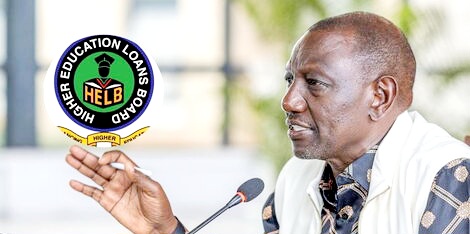
Kenya’s university funding model is facing an unprecedented existential threat. The Higher Education Loans Board (HELB) is staring down a historic KES 90 billion debt hole, driven by massive graduate defaults. A fresh 2026 Auditor-General’s report paints a grim picture of a revolving fund that has essentially stopped revolving.
The sheer scale of the crisis has sent shockwaves through the Ministry of Education. It exposes the deep vulnerabilities of relying on past beneficiaries to finance the academic futures of the next generation.
The Anatomy of the Debt Burden
According to the latest financial disclosures, 563,949 mature loan accounts are currently non-performing. These defaults represent a staggering 77% of all matured accounts. The numbers highlight a systemic breakdown in the financial cycle that powers public universities across the country.
The data reveals that the bulk of the unserviced debt, worth KES 39.6 billion, was issued in the past five years. However, the crisis also exposes historical administrative inefficiencies. Thousands of accounts have remained dormant for decades, with over 13,000 loans aging past the 35-year mark.
Why Graduates Are Failing to Pay
Economic realities offer the most compelling explanation for the repayment stagnation. A severely tightened labor market and stagnant wages mean recent graduates simply lack the disposable income to service their educational debts. High youth unemployment has completely broken the traditional pipeline from graduation to formal employment.
Many graduates are forced into the informal sector, where unpredictable cash flows make consistent monthly deductions nearly impossible. Educational analysts at education.co.ke note that the informal economy effectively shields many debtors from conventional financial tracking mechanisms.
The Ripple Effect on University Freshmen
The immediate casualty of this massive deficit is the incoming class of university freshmen. HELB is grappling with a projected KES 33 billion budget shortfall for the 2026-2027 academic year. Consequently, an estimated 100,000 out of the 270,000 students expected to join tertiary institutions risk missing out on state funding.
Without these critical disbursements, thousands of bright but economically disadvantaged youths will likely be forced to defer their studies. Stakeholders writing for teacher.co.ke have repeatedly warned that starving universities of tuition revenue will severely compromise academic standards.
Radical Recovery Proposals on the Table
Desperate times are prompting aggressive policy shifts within government corridors. To plug the financial leak, HELB is exploring highly controversial data-sharing agreements. The board wants direct access to databases held by the Kenya Revenue Authority (KRA) and the National Transport and Safety Authority (NTSA) to smoke out employed defaulters.
There is also a polarizing proposal to introduce a 3% education levy on Value Added Tax (VAT). This move would create a more sustainable, tax-based funding pool rather than relying entirely on erratic loan recoveries. Such policy pivots align with broader educational financing reforms frequently discussed by scholars on teacher.ac.
Rethinking the Higher Education Model
The current fiscal deadlock proves that the traditional revolving fund structure is incredibly fragile. If the national economy cannot generate formal, well-paying jobs for degree holders, the state cannot realistically expect to recover its educational investments.
Policymakers must urgently redesign how tertiary education is funded in Kenya. Whether through enhanced grant systems, specialized corporate taxes, or deeper private sector partnerships, the massive default crisis demands a permanent, structural fix rather than temporary debt-collection drives.

Comments are closed.